
Happy Hallowe'en!
The Roots of Hallowe’en — and How We (Even Christians!) Can Celebrate It Today

I grew up in a household and church that didn’t celebrate holidays as “religious,” and we learned some of the historical reasons they’re celebrated today. For example, I grew up learning that Jesus’s actual birthday was almost certainly not December 25. Late December was the festival of Saturnalia, and early Christians decided to “Christianize” it so that the masses could celebrate — while making it about Christ instead of a pagan holiday.
I recently started looking into another holiday — Halloween — which is often considered an anti-Christian holiday. I was surprised to learn that it has Christian roots, not satanic ones as I’d always been taught.
The Roots of Halloween
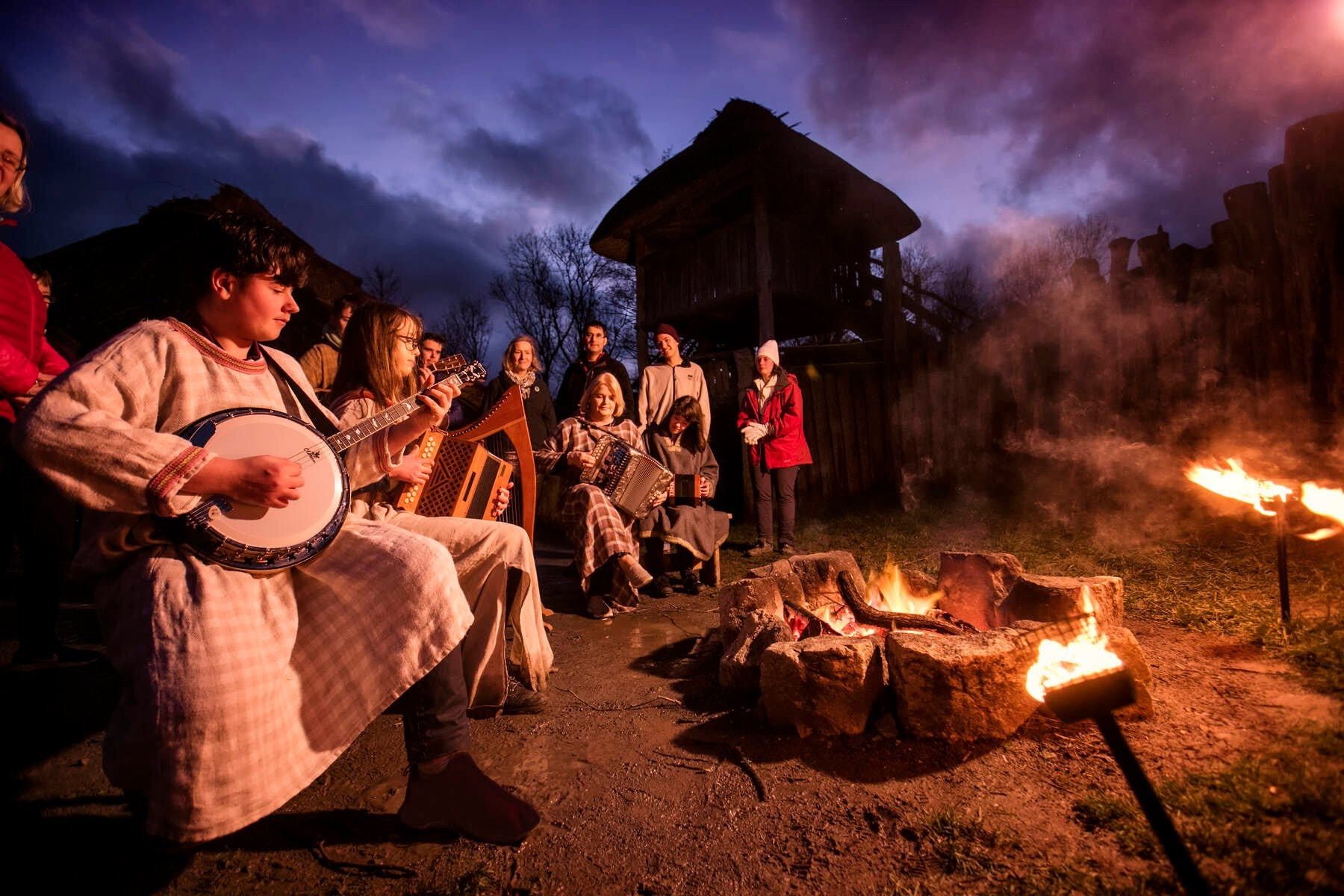
The earliest Christians in Western Europe created a holiday to celebrate saints and martyrs on November 1. All Saints’ Day (also known as All Hallows’ Day) was a religious holiday they created, and the night before was known as All Hallows’ Eve. Over the centuries, this name shortened to Hallowe’en and then Halloween.
November 1 was chosen because it coincided with the Celtic celebration Samhain. This pagan festival marked the end of the harvest and the coming of winter, and it took place at a time when the veil between the living and the dead was thought to be thinnest. Early Samhain celebrations included fire, feasts, dressing up, and remembering the dead.
Just because it has pagan roots doesn’t mean it celebrated Satan. It was simply a time to mark the difficult transition between harvest and winter, and to hope the spirits of the dead would favor you.
When Christianity reached Celtic regions, rather than banning the holiday and risking rebellion, they baptized it as Christian. Samhain became All Hallows’ Eve. Instead of honoring dead ancestors, people honored saints and martyrs. Instead of comforting the dead of the community, they prayed for souls in purgatory.
The celebration itself didn’t change in style. It was still feasts, costumes, and honoring the dead — just in a more Catholic context.
Even trick-or-treating has Christian roots. On October 31 and November 1, poor people — especially children — would go house-to-house asking for soul cakes in exchange for prayers for the homeowner’s dead loved ones. This practice, known as souling or guising, combined costumes with door-to-door requests and is entirely a Christian folk tradition.
Mischief Night – When Fun Pranks Went Wrong

Up until the 1800s–1900s, Halloween was a religious holiday, complete with services, candle lighting, and food sharing. Around that time, British immigrants in America brought Mischief Night, when teenagers were allowed to do pranks and cause minor disruption as a way to “let off steam.”
Because costumes were already popular for Halloween, it became convenient to sync the two nights. Originally, Mischief Night consisted of soaping windows and harmless pranks, but over time it escalated into vandalism, arson, and even riots, especially around the Great Depression.
As a result, by the 1950s, neighborhoods encouraged trick-or-treating, school carnivals, and harvest festivals to channel kids’ energy into safe activities.
Mischief Night and Halloween were not naturally the same, but this is where many Christians began to think Halloween was satanic. The holiday itself was still innocent and fun, while Mischief Night mischief was discouraged — and today, dangerous pranks are prosecuted. But because chaos happened on Halloween, people started assuming the devil was involved.
How Halloween Became “Satanic”
In 1970s America, evangelical churches began proclaiming Halloween as a satanic holiday. Part of this came from Mischief Night chaos, but mostly it was a way for the church to create a new cultural “threat.” Halloween became a convenient tool for fundraising and moral warnings.
Before that, Halloween was always celebrated innocently — costumes, candy, harvest parties — and was a normal part of Christian culture.
The idea that Halloween is “Satan’s day” or inherently evil is not ancient, not biblical, and not doctrinal. It’s a scare tactic invented by modern evangelical culture.
The Church Turns Its Back on Christian Tradition
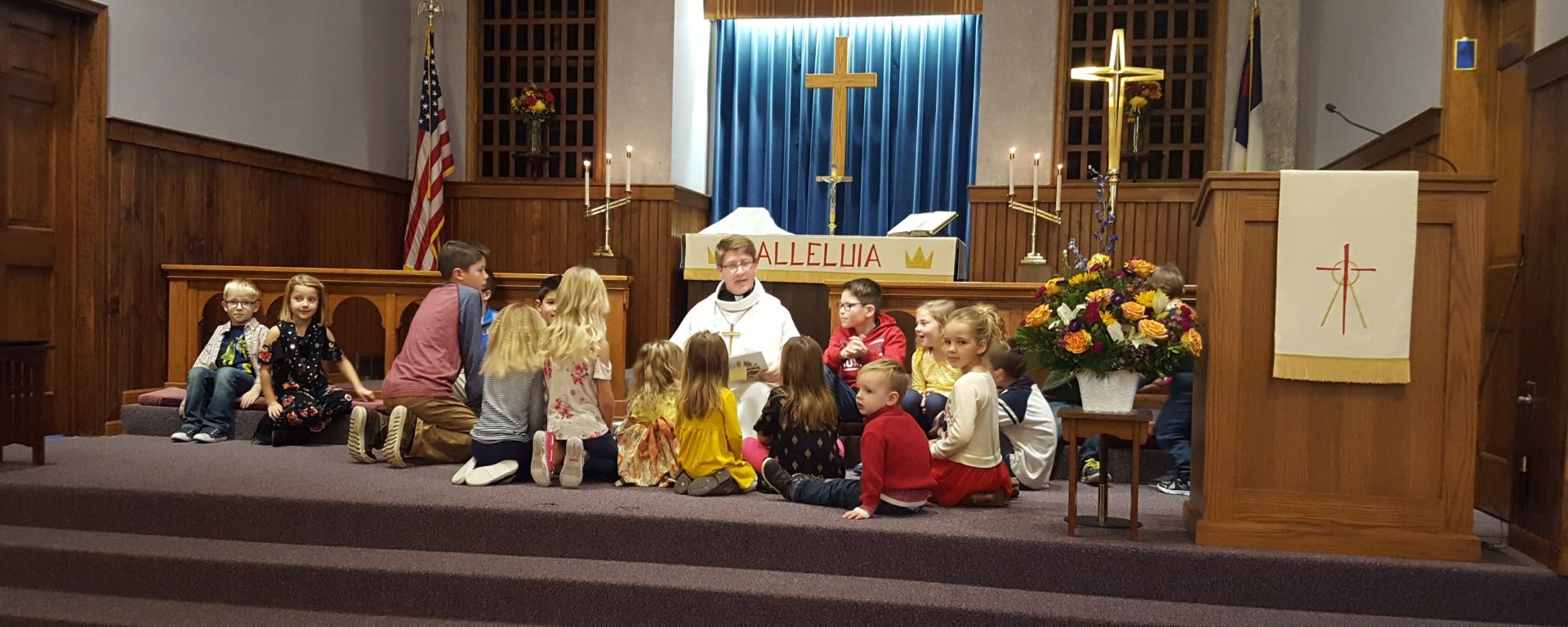
When modern Christians say Halloween is satanic, they are ignoring centuries of Christian tradition. They reject the fact that Halloween was built on seasonal customs and adapted by early Christians into something meaningful, communal, and charitable. Trick-or-treating reinforced prayer, remembrance, and generosity.
Historically, the devil was not part of Halloween. Samhain was not Satanic. Medieval Halloween was devotional. Trick-or-treating was charity. The “Halloween celebrates Satan” claim is purely evangelical fear-mongering.
The traditions are ancient, community-minded, and yes — Christian.
An Additional Note
In honor of the tradition of “treating” hungry children, I encourage you to celebrate that aspect — especially this year as SNAP benefits for millions of children are ending tomorrow.
Rather than passing out just Snickers bars or M&M’s, include healthier, nonperishable meal-like snacks. These can give children the “treat” of a fuller belly and have more nutritional value:
Ramen noodles or mac’n’cheese cups
Fruit, dried fruit such as raisins or apricots, or fruit cups
Granola bars, Goldfish crackers, or peanut butter crackers
Beef Jerky, Slim Jims, or trail mix
May you all have a safe, happy Hallowe’en!